

What’s the Problem?
Biomethane is a key enabler to decarbonising the UK’s gas system, presenting an immediate carbon reduction whilst having minimal impact on existing infrastructure.
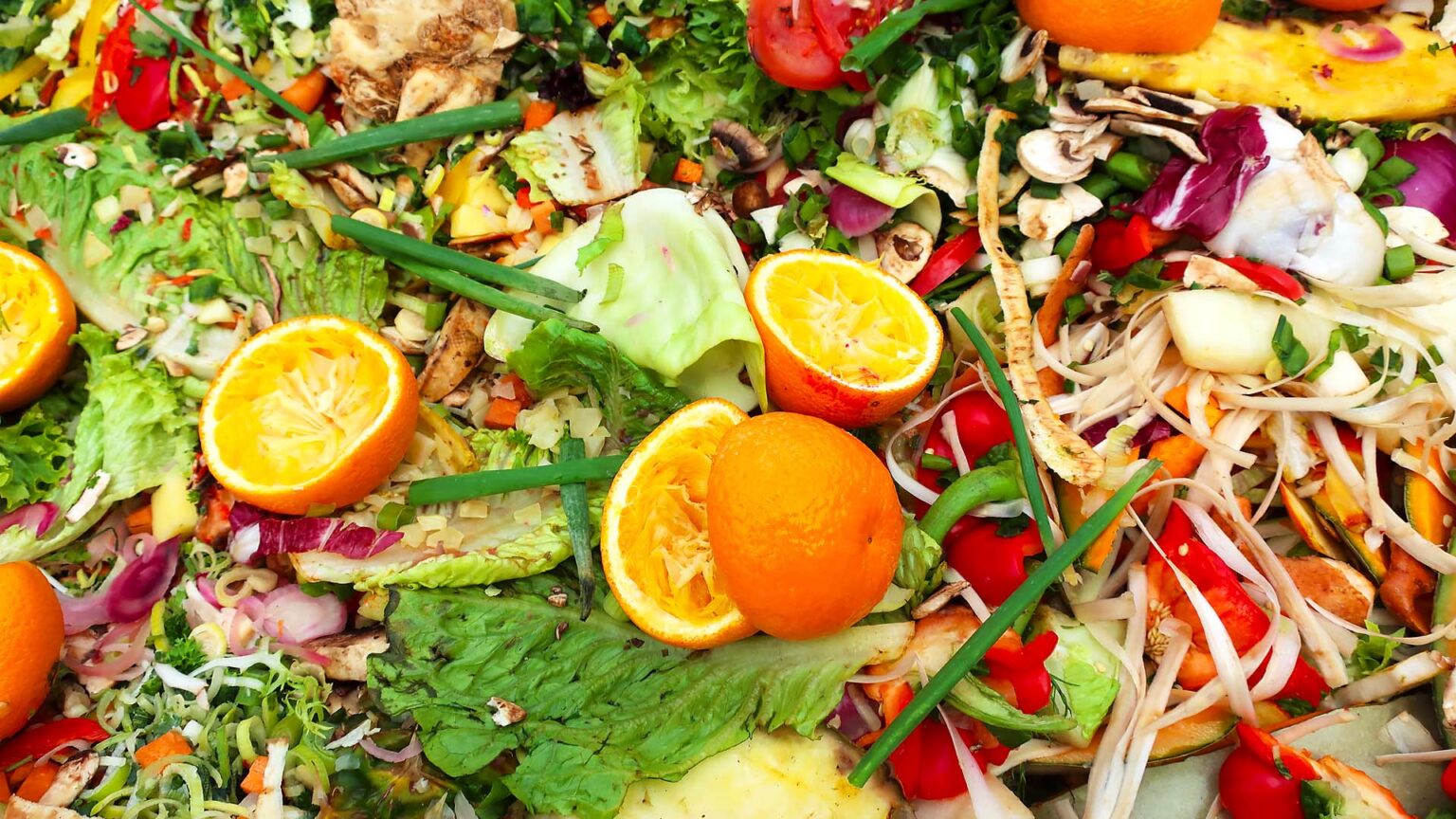
Food waste is one of the largest sustainable feedstocks available for biomethane production via anaerobic digestion (AD).
Current evidence suggests that whilst industrial food waste streams are being utilised relatively effectively, significant volumes of household and commercial food waste remain unprocessed, representing a substantial untapped opportunity for renewable gas production.
Based on previous analysis, it’s estimated that approximately 40% of food waste is currently not processed at AD plants and significant barriers remain in place to increase food waste recovery, including:
- Inconsistent food waste collection infrastructure across local authorities
- Limited visibility of future feedstock availability and location
- Constraints between feedstock production sites and gas network injection opportunities
- Uncertainty around future policy and support mechanisms
- Competition for sustainable feedstocks across multiple sectors.
Preferred Output
Northern Gas Networks’ (NGN) ambition is to enable a significant increase in biomethane production from sustainable food waste feedstocks and strengthen the position of renewable gas as a key contributor to the UK’s net zero future.
The key outputs of this project will include:
- Identification of the full biomethane potential from currently underutilised food waste streams
- Understanding of how this resource can contribute to regional and national decarbonisation targets
- Creation of an evidence base to support investment and future network planning
- Development of a clear roadmap demonstrating the potential for food waste becoming a major contributor for biomethane growth
- Identification of the growth potential of biomethane connections across the network.
These outputs will support further strategic ambitions, including the facilitation of a more circular economy and influencing future policy development to encourage greater food waste recovery.
Deadline
The deadline for this opportunity is 11.59pm on 29 October 2026.
Any Questions?
The Q&A for this opportunity will take place on 16 October 2026 at 1pm; you can register to attend below. Please email your questions by 5pm on 14 October 2026, marking your message with the name of this opportunity.