We are supporting our partners SSEN Transmission as part of the 2026 Energy Innovation Basecamp.
Innovative people and businesses are invited by the Energy Networks Association (ENA) to propose ideas and solutions to solve problems suggested by Britain’s electricity and gas networks.
If you would like our support in submitting your application, please contact us.
Please note the deadline for this opportunity is 13 March 2026.
What’s the Problem?
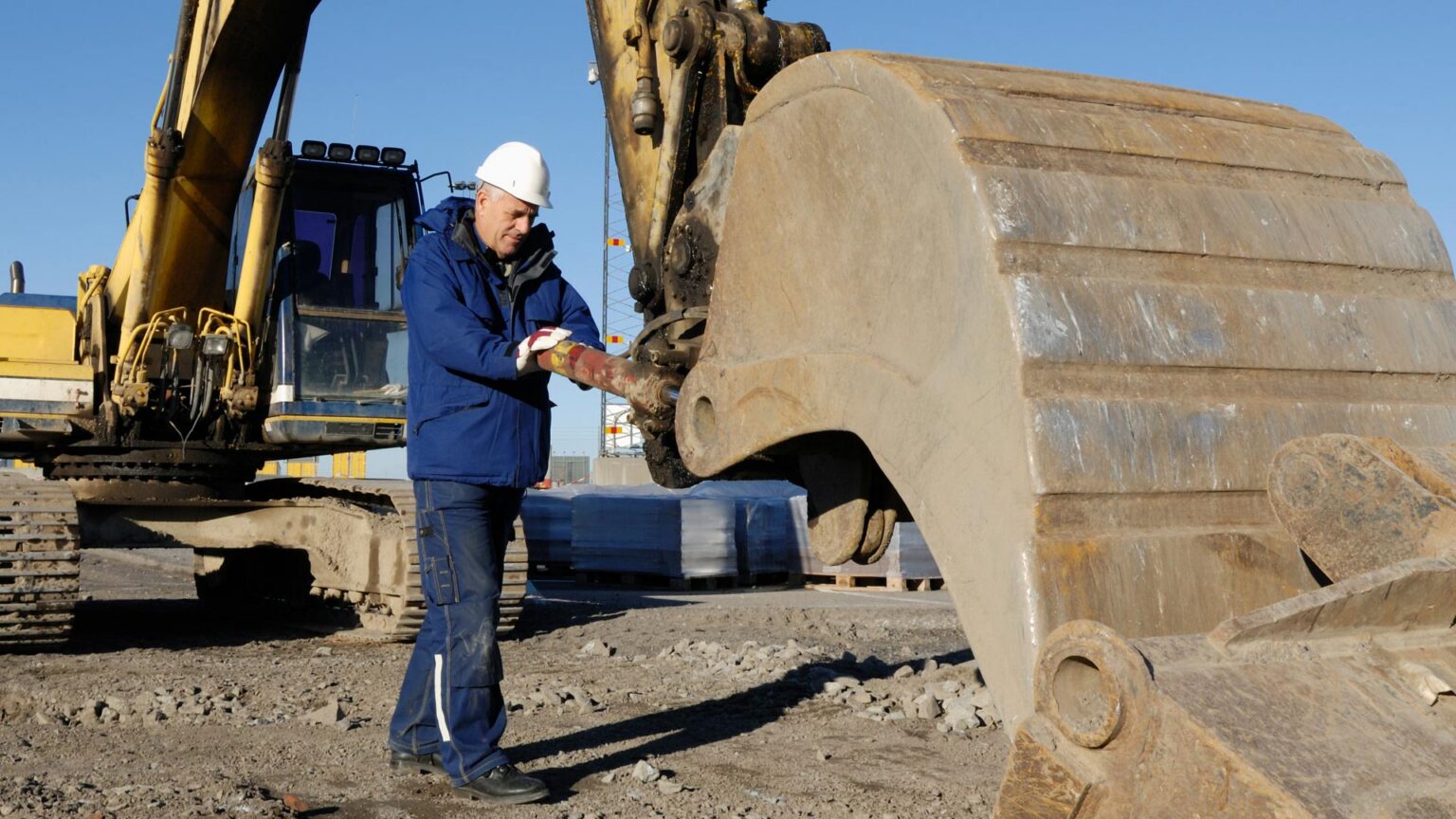
Despite existing safety measures, construction sites remain high-risk environments, with significant risk created by interactions between people and heavy machinery. Current arrangements to manage these risks tend to rely on traditional methods like site setup, physical barriers, supervision, and training. While new technologies exist, there is a significant gap in their widespread adoption, and much of the existing plant and machinery on sites lack helpful safety features like blind-spot detection, automated warnings, or real-time monitoring.
This issue is compounded by an inconsistent approach to the adoption of People-Plant Interface (PPI) safety technologies across major infrastructure projects, such as substation builds, upgrades, and overhead line work. While various technologies are used by different contract partners, there is no standardised process for identifying, trialling, and implementing the most effective, best-in-class solutions. This lack of a unified framework creates a missed opportunity to collectively reduce PPI risk and drive continuous improvement in safety performance.
Within the Pathway to 2030 programme – a significant investment initiative aimed at upgrading the electricity transmission network across Great Britain – a large-scale, multi-project scheme where minimising PPI risk is a strategic priority—the selection and deployment of safety technology can be fragmented. This leads to varying levels of success and prevents the sharing of crucial data and lessons learned. To achieve a step-change in safety, a collaborative approach is needed to systematically evaluate and adopt proven innovations from the global and emerging market.
What is Required?
We are seeking innovative solutions and new PPI technologies for trialling and adopting through our collaborative Pathway to 2030 framework in relevant operational settings. We are interested in solutions that have been tested and are at a suitable technology readiness level for operational pilots.
What are the Constraints?
- Solutions must be designed to integrate with existing equipment and workflows on complex construction sites
- The proposed trial methodology must not compromise existing safety standards
- Technologies must demonstrate results superior to those achieved by other means and be capable of meeting or exceeding current industry benchmarks
- Solutions should be scalable for potential rollout across multiple projects and contract partner organisations.
Key Players
The key stakeholders for this problem include SSEN Transmission, contract partner organisations, the wider supply chain, and technology developers/manufacturers. The ultimate beneficiaries are the on-site personnel whose safety will be enhanced. We are looking to attract solutions from technology innovators, safety specialists, and data analysts who can support this collaborative initiative.
Does This Problem Build on Existing or Previous Projects?
This problem statement is based on a proposal developed by a People Plant Interface (PPI) Working Group as part of the Pathway to 2030 SHW Steering Group. The proposal, PPI Memorandum of Use (MoU), seeks to establish a formal agreement between contract partners to collaborate on trialling and adopting new safety technologies. This initiative builds on the existing structure of the P2030/ASTI schemes and aims to formalise a process for continuous safety improvement.
More Information
We envision an initial pilot program to trial distinct PPI technologies across two to three diverse project sites. This pilot will include a 12-week active trial and data collection period. The primary deliverable will be a formal recommendation report for our Steering Group. Innovators should consider this proposed structure in their submissions.