


We are supporting our partners SSEN Transmission as part of the 2026 Energy Innovation Basecamp.
Innovative people and businesses are invited by the Energy Networks Association (ENA) to propose ideas and solutions to solve problems suggested by Britain’s electricity and gas networks.
If you would like our support in submitting your application, please contact us.
Please note the deadline for this opportunity is 13 March 2026.
What’s the Problem?
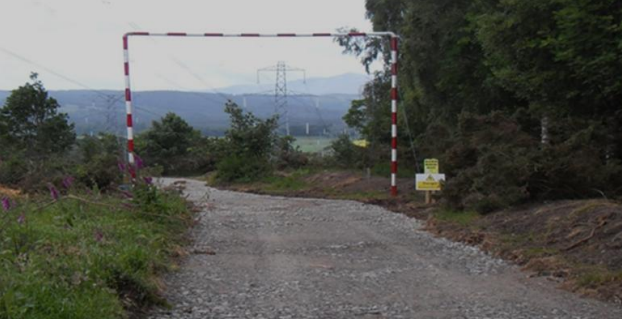
The construction of permanent and temporary access roads for electricity transmission and distribution projects is a critical requirement for enabling the transportation of heavy equipment, materials, and personnel to remote or challenging sites. However, the current approach relies heavily on large quantities of quarried stone, which presents several significant challenges:
- High Embedded Carbon: The extraction, processing, and transportation of stone contribute substantially to greenhouse gas emissions, increasing the overall carbon footprint of infrastructure projects
- Environmental Impact: Stone-based construction methods often disturb sensitive ecosystems, particularly in areas with peatland or other fragile ground conditions. Peatlands are vital carbon sinks, and their disruption can release stored carbon, undermining climate goals
- Cost and Resource Intensity: Procuring and transporting stone to remote locations is expensive and logistically complex, especially when projects span large geographical areas
- Limited Sustainability: Traditional methods do not align with industry commitments to achieve net-zero carbon targets and reduce environmental impact across the lifecycle of assets.
These challenges are amplified in regions with difficult terrain, such as peat or soft soils, where conventional stone-based solutions require even greater material volumes to ensure stability and load-bearing capacity. This results in higher costs, longer construction times, and increased ecological disruption.
What is Required?
Solutions being sought should demonstrate innovation and seek to:
- Minimise stone usage in access track construction
- Show viability for multiple ground conditions, including peat
- Maintain structural integrity and safety for heavy plant and vehicles.
The solution would aim to achieve TRL in the range 5 to 7 (demonstrated in relevant environment) although earlier-stage ideas with strong potential are welcome.
Solutions should:
- Have the potential to be scalable for large capital projects (LCP)
- Demonstrate environmental benefits and cost-effectiveness against agreed metrics
- Ensure that any methods, materials or design approaches can be integrated with existing construction practices and comply with key building regulations.
What are the Constraints?
- Comply with health, safety and environmental regulations
- Support heavy load-bearing requirements for construction traffic
- Avoid introducing significant additional costs or complexity and demonstrate a reduced carbon footprint.
Key Players
The key stakeholders would be the transmission and distribution network owners and their civil supply chain partners. The adopters would be the network operators and LCP delivery teams. Beneficiaries would be the local community, environment and Ofgem. To deliver this technology, innovators with expertise/experience with civil engineering, materials development and sustainability specialists.
Does This Problem Build on Existing or Previous Projects?
Any links with previous innovation projects focused on low carbon construction should be identified and reviewed to build upon their learnings were possible without restriction.
More Information
Solutions must be compliant with industry standards for temporary and access roads. Integration with existing supply chain and construction processes is desirable but not essential. A life cycle analysis of the carbon footprint for the proposed solution is recommended.