
We are supporting our partners Northern Gas Networks as part of the 2026 Energy Innovation Basecamp.
Innovative people and businesses are invited by the Energy Networks Association (ENA) to propose ideas and solutions to solve problems suggested by Britain’s electricity and gas networks.
If you would like our support in submitting your application, please contact us.
Please note the deadline for this opportunity is 13 March 2026.
What’s the Problem?
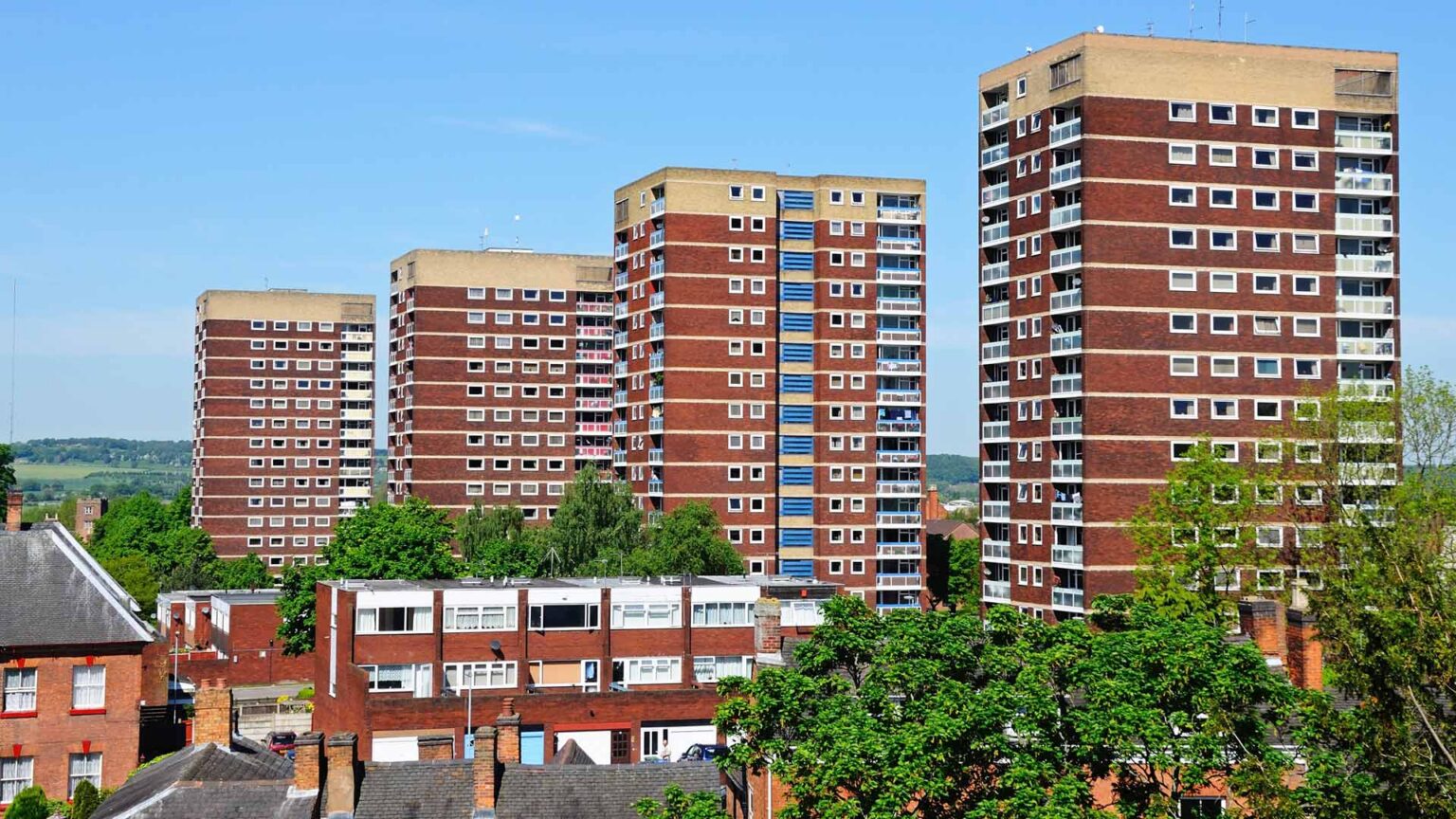
Multi-occupant buildings (MOBs eg flats, apartments, mixed-use developments) face significant challenges in reducing carbon emissions due to shared heating systems, diverse energy needs, and split incentives between landlords and tenants. Current solutions often focus on single-family homes, leaving a gap for scalable approaches in multi-occupant settings.
In the UK energy networks are struggling to provide affordable and equitable options for MOBs to decarbonise. This stems from the high reinforcement needs per building, replacing gas with electrical heating will often increase the electrical load, necessitating upgrades for the internal and external network infrastructure. Often far costlier than single homes, the same goes for reinforcing existing gas assets in the building with some parts of the internal pipe work being more prone to require repairs than a standard single property. Another one of the big issues is the structure of the ownership for these types of buildings, with complex structures involving housing associations, private owned and rented accommodation as the most common. This causes issues when it comes to decision making but also for the cost sharing, with many buildings having a lack of maintenance due to difficulties in assigning responsible parties.
The UK’s net-zero targets require rapid decarbonisation of heat and energy systems. Multi-occupant buildings represent a large proportion of urban housing stock and commercial spaces. Solutions must address technical, economic, and behavioural barriers while ensuring affordability and minimal disruption.
What Required?
- Innovative technologies, business models, or operational strategies for decarbonising shared energy systems
- TRL 3-5
- Solutions that can scale across different building types and regions
- Approaches that integrate with existing infrastructure or enable hybrid systems (eg hydrogen-ready boilers, heat pumps, district heating).
What are the Constraints?
- Solutions must comply with UK building and energy regulations
- Cost-effective for landlords, tenants, gas distribution networks (GDNs) or distribution network operators (DNOs)
- Minimal disruption during installation
- Compatible with existing metering and billing systems.
Who are the Key Players?
Building owners, housing associations, energy shippers, technology providers, local authorities, DNOs, GDNs.
Does This Problem Build on Existing or Previous Projects?
- Smarter Networks Portal: Heat Decarbonisation Projects
- Highlight carbon savings and cost-benefit analysis.
More Information
- Consider occupant engagement strategies
- Highlight carbon savings and cost benefit analysis
- Full document
- Presentation slides.