


The Problem
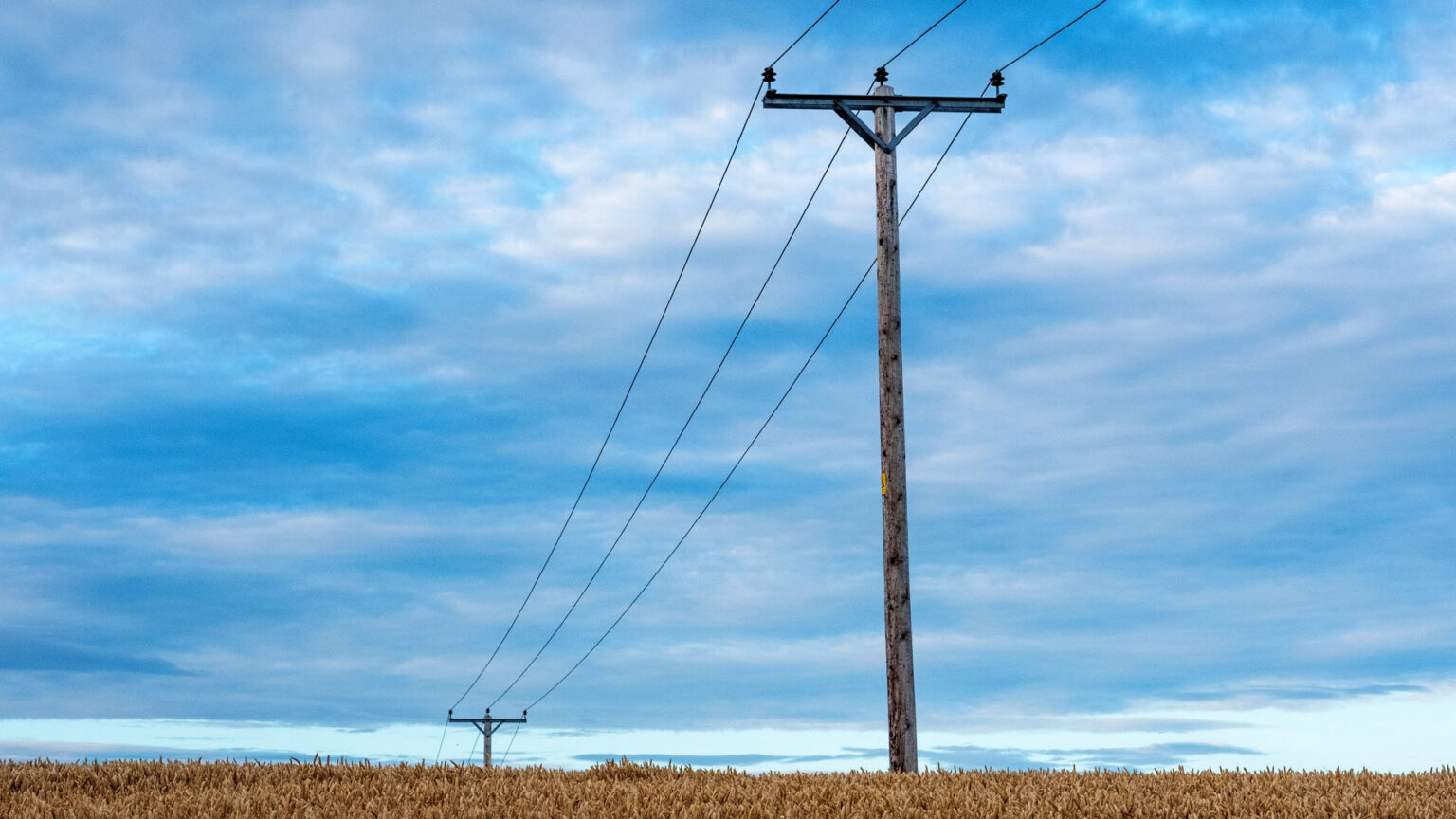
Distribution network operators (DNOs) use wooden poles to support their overhead networks.
To maintain their network, DNOs replace around 100,000 poles every year. Whilst wooden poles remain a cost-effective option, there are a number of challenges that are limiting their use, such as:
- Supply shortages: Recent geopolitical disruptions has affected supply chains, leading to a shortage of suitable wood across Europe
- Long lead times: It can take up to 18 months from when wood is harvested to it being used on the network
- Less durability: Wooden poles were expected to last for 40 years, but since the withdrawal of creosote as a protective coating, more environmentally friendly alternatives have been used. Networks are now seeing poles fail in as little as seven years.
Some engineered alternatives have been developed, such as GRP poles, but these are often not practical for large-scale use because of their significantly higher cost (when compared to wooden poles).
Preferred Output
The output of this opportunity is to identify commercially viable, cost-competitive engineered poles or manufactured solutions that:
- Have a lifespan of 40 years or more
- Matches or exceeds the mechanical performance of traditional wooden poles
- Is environmentally sustainable, ensuring long term viability
- Does not exceed the current weight of wooden poles
- Can be manufactured at scale using just-in-time processes
- Enables reduction in stock types held by network operators
- Allows for the fixing of crossarms, switchgear and transformers
- Allows pole notices and cables to be fixed to the outside surface
- Must have a strong structural performance which meets or exceeds the Energy Network Association (ENA) technical specification standard (ENA TS 43-18).
Deadline
The deadline for this opportunity is 11.59pm on 15 September 2026. Please submit your proposal above.
Questions?
If you have any questions relating to this opportunity, please email us. Your enquiry will be forwarded to the lead engineer, who will respond as soon as possible.